
Magic shows hold a timeless place in childhood entertainment. Few experiences spark curiosity and excitement the way a magician pulling a rabbit from a hat or making objects vanish right before young eyes can. For children, magic is more than entertainment. It creates wonder, encourages imagination, and invites them into a world where the impossible suddenly feels possible.
Whether performed at birthday parties, school events, community celebrations, or theaters, magic shows continue to captivate young audiences across generations. This article explores what makes magic shows so appealing to kids, the types of performances they enjoy most, and how parents and event planners can choose the right magical experience.
Why Magic Shows Fascinate Children
Children naturally see the world differently than adults. They are more open to mystery, fantasy, and playful surprises. Magic shows tap directly into this mindset.
Here are several reasons kids love magic performances:
They create a sense of wonder
Magic challenges what children believe they know about reality. When something unexpected happens right in front of them, their curiosity grows instantly.
They encourage imagination
Watching a magician transform ordinary objects into extraordinary moments helps children think creatively and explore possibilities beyond everyday experiences.
They involve participation
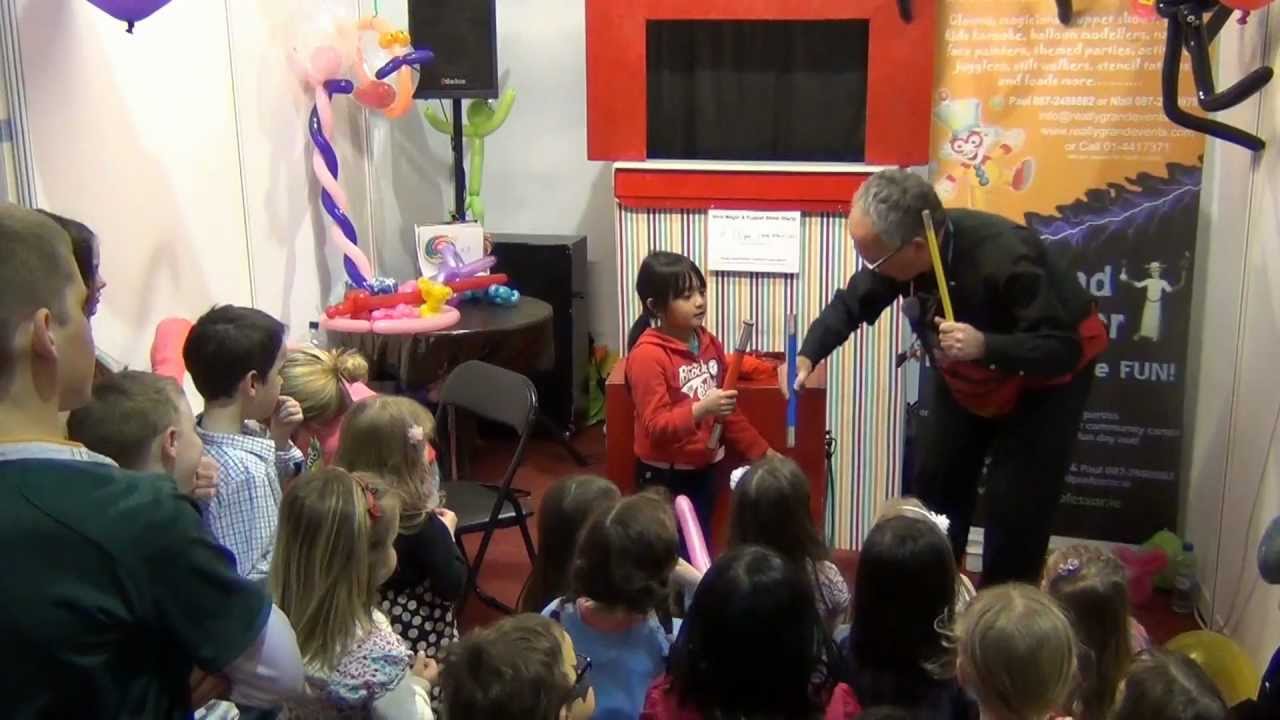
Many children’s magic shows invite kids to help on stage, say magic words, or assist with tricks. Participation makes them feel important and included.
They combine humor with surprise
Magicians who perform for kids often use playful jokes, funny props, and exaggerated reactions. Laughter keeps children engaged throughout the show.
They offer screen-free entertainment
In a world full of digital distractions, live magic gives children a refreshing experience that feels real and interactive.
Types of Magic Shows Kids Enjoy the Most
Not all magic performances are the same. Some styles connect better with young audiences than others. Understanding these types helps parents and organizers choose the most suitable show.
Interactive Magic Shows
Interactive magic is the most popular style among children. In these performances, the magician frequently invites volunteers to assist with tricks.
Kids especially enjoy:
- Saying magic words together
- Holding props during tricks
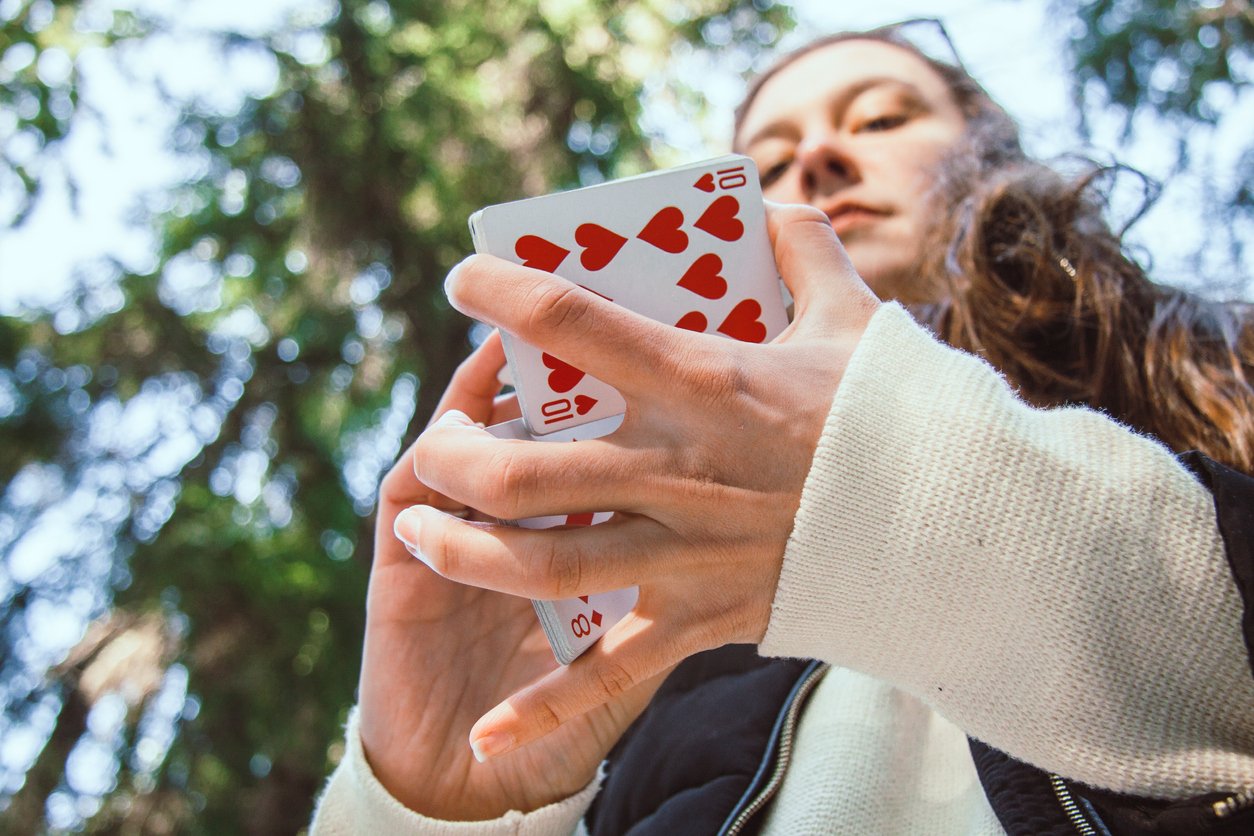
- Choosing cards or objects
- Helping reveal surprises
This level of involvement keeps their attention focused from beginning to end.
Comedy Magic Shows
Comedy magic blends humor with illusion. These performances often include exaggerated movements, silly misunderstandings, and playful storytelling.
Children respond strongly to performers who:
- Pretend tricks went wrong before succeeding
- Use funny costumes or props
- Interact humorously with the audience
- Create playful suspense
Comedy makes the experience memorable and relaxing for young viewers.
Story-Based Magic Shows
Some magicians build their performances around a story. Instead of performing random tricks, they guide children through a magical adventure.
Story magic works well because it:
- Keeps children emotionally engaged
- Builds anticipation step by step
- Encourages imagination
- Creates a meaningful theme
Popular themes include treasure hunts, wizard adventures, animal friends, and fairy-tale journeys.
Educational Magic Shows
Educational magic blends entertainment with learning. Schools often choose these performances because they support classroom goals while keeping students engaged.
Topics may include:
- Science concepts
- Reading motivation
- Environmental awareness
- Anti-bullying messages
- Healthy habits
Children enjoy learning when it feels like play rather than instruction.
Popular Magic Tricks That Kids Love
Certain tricks consistently delight young audiences. While professional magicians often customize their routines, these classics remain favorites.
Appearing and disappearing objects
Vanishing coins, scarves, or toys create instant excitement. Kids love guessing where the object went.
Color-changing tricks
Changing the color of ropes, cards, or handkerchiefs feels surprising and playful.
Animal magic
Appearing stuffed animals or puppet companions always capture children’s attention. Some performances include live animals when appropriate.
Floating objects
When objects seem to float in midair, children react with amazement and curiosity.
Magic drawing tricks
Pictures that appear, change, or come alive during a show are especially engaging for younger audiences.
Choosing the Right Magic Show for Kids
Selecting the right magician or performance style makes a big difference in how successful the event becomes.
Parents and organizers should consider several important factors.
Age Group of the Audience
Different age groups respond to different types of magic.
For example:
- Preschoolers enjoy bright visuals and simple tricks
- Elementary-age children prefer participation and storytelling
- Older kids appreciate clever illusions and humor
Matching the performance style to the audience age ensures better engagement.
Length of the Performance
Children’s attention spans vary depending on their age.
Typical recommendations include:
- Ages 3 to 5: 20 to 30 minutes
- Ages 6 to 8: 30 to 40 minutes
- Ages 9 to 12: 45 to 60 minutes
A well-paced show keeps children entertained without losing their focus.
Venue Size and Setup
Magic shows can be performed in many locations, including:
- Living rooms
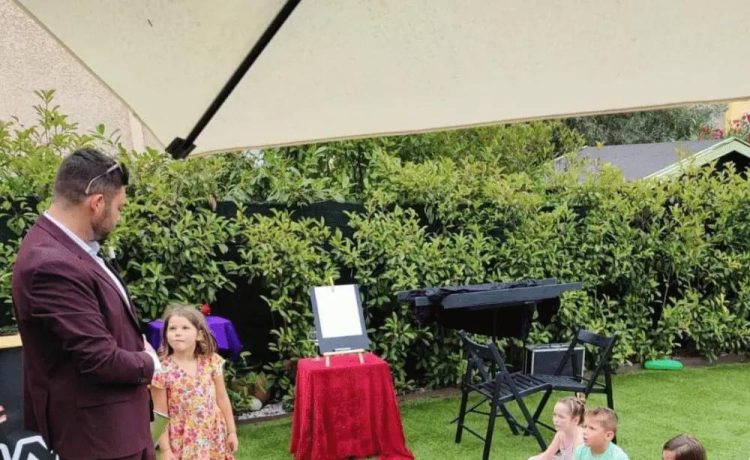
- Backyards
- School halls
- Libraries
- Community centers
- Event venues
Choosing a magician experienced with the specific venue type helps ensure smooth performance.
Performer Experience With Children
Not every magician specializes in entertaining kids. A children’s magician understands how to communicate clearly, maintain energy, and adapt quickly to audience reactions.
Look for performers who:
- Encourage participation
- Use age-appropriate humor
- Maintain a friendly stage presence
- Keep the show moving smoothly
Magic Shows for Birthday Parties
Birthday parties are one of the most common occasions for children’s magic shows. A magician can turn a simple gathering into an unforgettable celebration.
Benefits of hiring a magician for a birthday party include:
Structured entertainment
Children stay engaged instead of becoming restless.
Memorable experiences
Magic creates moments children talk about long after the party ends.
Reduced planning stress
A professional entertainer manages the performance schedule and audience interaction.
Inclusive fun
Magic shows allow children of different personalities to enjoy the event together.
Some magicians also offer balloon art, simple magic lessons, or themed performances to enhance the party experience.
Magic Shows at Schools and Community Events
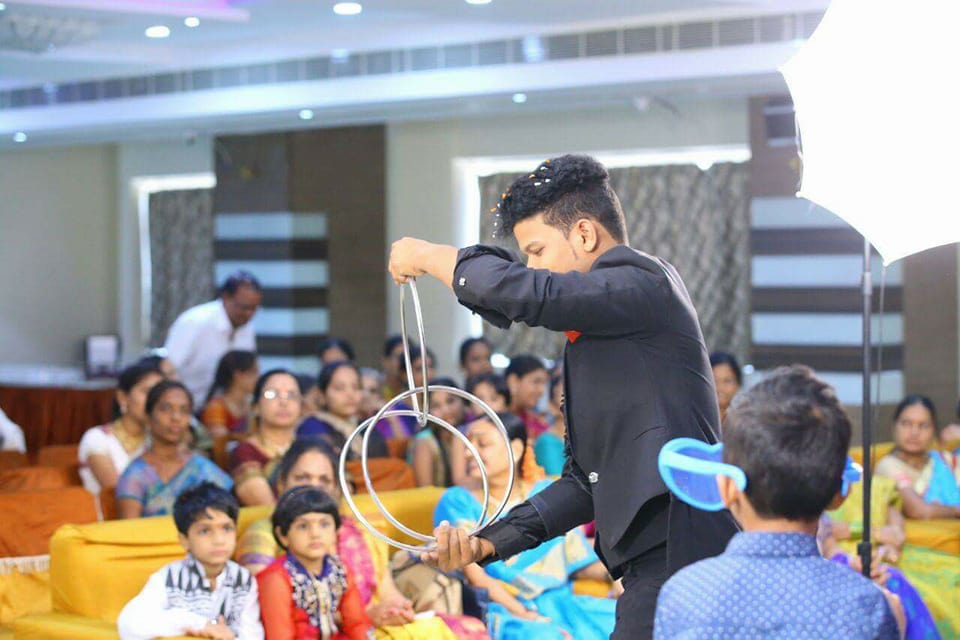
Schools frequently invite magicians to support learning objectives while keeping students motivated and attentive.
Community events also benefit from magic performances because they attract families and create a welcoming atmosphere.
School and community magic shows often include:
- Large audience participation
- Educational themes
- Positive character messages
- Safe and inclusive humor
These performances help build excitement and strengthen group engagement.
How Magic Supports Child Development
Beyond entertainment, magic shows can contribute positively to a child’s growth.
Encourages Curiosity
When children see something unexpected happen, they begin asking questions and exploring possibilities.
Builds Confidence
Children invited on stage often feel proud of their participation.
Strengthens Listening Skills
Magic routines require attention to instructions and storytelling details.
Supports Social Interaction
Group reactions such as laughter and surprise help children connect with peers.
Inspires Creativity
Many children become interested in learning simple tricks after watching a performance.
This curiosity can develop into hobbies that improve presentation skills and confidence over time.
Tips for Making a Magic Show Even More Enjoyable for Kids
Parents and organizers can enhance the experience with simple preparation steps.
Helpful ideas include:
- Seating children close enough to see clearly
- Minimizing background noise during the show
- Encouraging participation without forcing shy children
- Choosing a comfortable performance space
- Scheduling the show before children become tired
Small adjustments can make a big difference in how much children enjoy the performance.
Bringing Magic Into Everyday Play
Magic does not need to stay limited to professional performances. Families can introduce simple magic activities at home to continue the excitement.
Fun ideas include:
- Learning beginner card tricks
- Performing disappearing coin tricks
- Creating homemade magic props
- Practicing storytelling with magical themes
- Watching family-friendly magic performances together
These activities help children stay curious and engaged long after the show ends.
Frequently Asked Questions About Magic Shows for Kids
What age is best for a child’s first magic show?
Most children begin enjoying magic shows around age three, when they can follow simple instructions and react to visual surprises.
How long should a children’s magic show last?
The ideal length depends on the audience age, but most performances range between 30 and 45 minutes.
Are magic shows suitable for mixed-age groups?
Yes. Experienced children’s magicians adjust their routines to entertain audiences with a wide range of ages.
Do kids need to sit quietly during a magic performance?
No. Many children’s magic shows encourage participation, laughter, and interaction throughout the performance.
Can magic shows be performed indoors and outdoors?
Yes. Many magicians adapt their performances to both environments, although indoor venues usually provide better control over sound and visibility.
Are magic shows safe for young children?
Professional children’s magicians design their routines to be safe, age-appropriate, and suitable for family audiences.
Do magic shows help children become interested in performing?
Yes. Many children become inspired to learn simple tricks after watching a show, which can support confidence and creativity.