

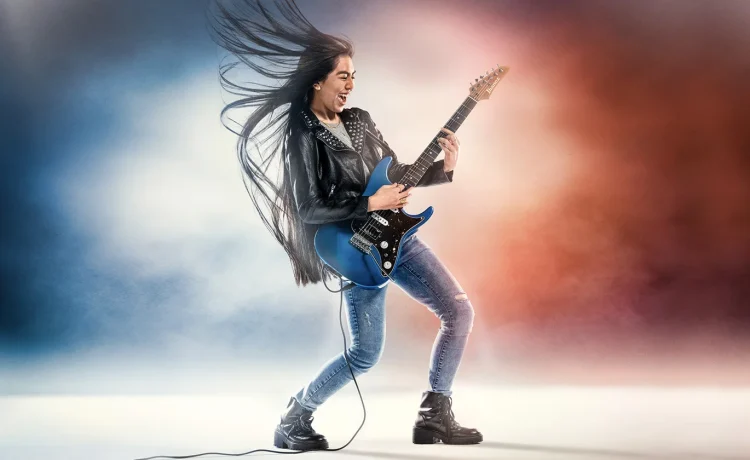
Photography has the unique ability to freeze emotion, culture, and history into a single frame. When music and photography intersect, the result is imagery that captures not just sound, but identity, movement, and cultural moments that define generations. Today, a fine art photography gallery offers a space where these powerful images are elevated from documentation to collectible art, while more collectors and enthusiasts look to buy music photography as both an emotional investment and a timeless visual statement.
This article explores how music photography fits into the fine art world, what makes gallery exhibitions special, and how collectors can thoughtfully build a music photography collection.
The Rise of Music Photography in Fine Art Galleries
For many years, music photography lived primarily in magazines, album covers, and promotional materials. Over time, photographers began capturing moments that went far beyond marketing, documenting movements, emotions, and cultural shifts within music scenes.
As these archives grew, galleries began recognizing their artistic and historical value. A fine art photography gallery now treats music imagery with the same respect as portraiture, street photography, or documentary work. Large format prints, museum-quality framing, and thoughtful curation allow these images to stand on their own as works of art.
This shift has helped redefine how audiences experience music photography, moving it from background media to center stage.
What Makes a Fine Art Photography Gallery Experience Unique
Walking into a fine art photography gallery is different from scrolling through images online. Galleries are curated environments designed to slow the viewer down and encourage reflection. Lighting, spacing, print size, and sequencing all play a role in how images are experienced.
In music-focused exhibitions, galleries often tell a story. This might be the evolution of an artist, the rise of a genre, or the atmosphere of a specific era. Displayed in this context, music photography becomes immersive, allowing viewers to feel the energy of a performance or the intimacy of a behind the scenes moment.
This intentional presentation is part of what transforms music photography into collectible fine art.
Why Music Photography Resonates as Collectible Art
Music photography holds a unique emotional power. A single image can instantly transport someone back to a concert, a song, or a pivotal moment in their life. This emotional connection is one of the main reasons collectors choose to buy music photography.
Beyond nostalgia, music photography often captures cultural turning points. Fashion, social movements, youth culture, and creative rebellion are frequently embedded in these images. When displayed in a fine art photography gallery, these photographs become visual records of history.
Collectors value music photography not only for its beauty, but for its ability to tell stories that remain relevant across generations.
Live Performance Photography as Fine Art
Concert and live performance images are among the most sought after types of music photography. These photographs capture motion, emotion, and energy in ways few other genres can.
In a gallery setting, live performance images are often printed at a large scale, allowing viewers to notice details such as expressions, sweat, lighting, and crowd interaction. This transforms fleeting moments into powerful visual experiences.
Many people who buy music photography are drawn to live performance images because they feel raw and authentic, preserving moments that can never be repeated.
Studio Portraits and Iconic Music Imagery
Studio portraits offer a different but equally compelling side of music photography. These images are often more controlled, focusing on mood, styling, and expression. Some of the most recognizable music photographs ever created are studio portraits that define how an artist is remembered.
When displayed in a fine art photography gallery, studio images highlight composition, lighting, and artistic intention. Collectors who buy music photography often seek these portraits because of their timeless quality and strong visual identity.
Studio portraits tend to work well in both modern and traditional spaces, making them popular among collectors looking for versatility.
Understanding Prints, Editions, and Value
Before choosing to buy music photography, it is helpful to understand how fine art photography is sold. Many galleries offer limited edition prints, meaning only a specific number of copies are produced. This scarcity often increases long term value.
A fine art photography gallery typically provides details such as:
- Print size and medium
- Edition number
- Artist signature or authentication
- Archival quality and longevity
These elements help establish authenticity and collectability. Limited edition, signed prints are often the most desirable for serious collectors.
How to Choose Music Photography for Your Space
Collecting art is personal, and music photography is no exception. When deciding to buy music photography, consider both emotional connection and visual harmony.
Ask yourself:
- Does this image evoke a feeling or memory
- Does the style fit your space
- Do you prefer bold performance shots or subtle portraits
A reputable fine art photography gallery can help guide buyers through these questions, offering insight into the photographer’s intent and the story behind each image.
The Role of Galleries in Supporting Photographers
Galleries do more than sell art. They help preserve and elevate photographers’ work. By exhibiting music photography as fine art, galleries ensure that these images are archived, protected, and appreciated in their proper context.
For collectors, buying through a fine art photography gallery offers confidence in authenticity and quality. For photographers, galleries provide a platform to share their vision and contribute to cultural history.
This relationship benefits everyone involved, from artists to audiences to collectors.
Music Photography in a Digital World
While digital platforms make music imagery widely accessible, physical prints still hold a unique appeal. Seeing texture, scale, and detail in person adds depth that screens cannot replicate.
Many collectors discover artists online but choose to buy music photography through galleries for the tangible experience. A fine art photography gallery provides the opportunity to see how an image truly lives in space, making the collecting process more intentional and meaningful.
Why Fine Art Music Photography Endures
Music evolves, trends shift, and technology changes, but powerful images endure. Music photography captures moments that define eras and emotions that never fade. When displayed in a fine art photography gallery, these images become more than photographs. They become art, history, and cultural memory.
For those looking to buy music photography, collecting these works is not just about ownership. It is about preserving stories, honoring creativity, and surrounding yourself with imagery that continues to inspire long after the music stops.