
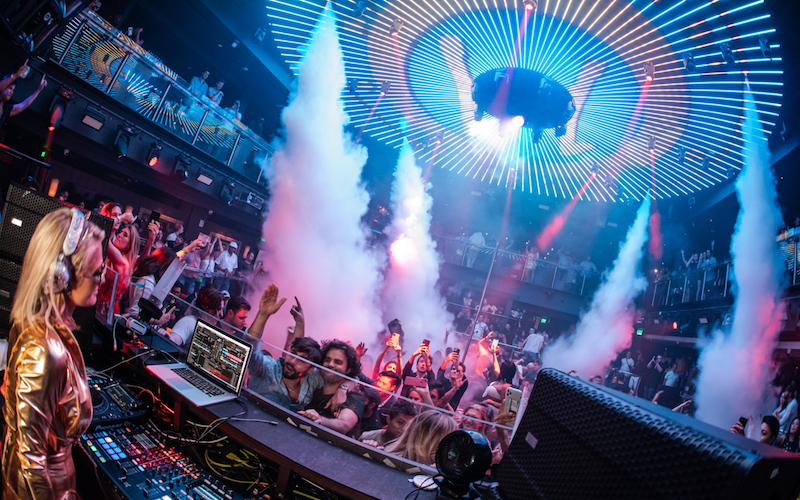
Miami sets the stage for nights that feel like a movie, from neon-lit waterfronts to rooftops that hum till sunrise. If you want your celebration to run smoothly, partnering with a trusted Miami entertainment agency helps you turn good plans into a great experience. The right team brings vetted talent, local know-how, and logistical muscle so you can focus on fun instead of juggling calls, contracts, and last-minute hiccups.
What An Entertainment Agency Actually Does For You
An experienced team does more than book a DJ. It orchestrates the entire guest experience from the first “hello” to the last ride home. That support spans planning, production, and on-site coordination so your event feels polished rather than pieced together.
Core services to expect
-
Talent curation and booking for DJs, musicians, hosts, dancers, and specialty performers
-
Shortlist of tried-and-tested venues that match your vibe, headcount, and budget
-
Transportation planning for party buses, limos, and sprinter vans
-
Lighting, sound, staging, and visual effects that fit your space and noise rules
-
Security staffing and guest management so the night stays safe and smooth
-
Permits guidance when your plan touches public spaces or late-night noise windows
-
Timeline management and show calling so every beat lands when it should
The hidden value
-
Vendor price leverage through existing relationships
-
Contingency playbooks for weather, talent delays, gear malfunctions, and traffic
-
Local intel on neighborhood vibes, peak times, and venue-specific rules
Setting Your Vision, Then Your Budget
Clarity beats guesswork. Start by defining the feeling you want your guests to carry home. Then attach numbers to that feeling.
Three questions that shape everything
-
What is the emotion or theme, such as ultra-glam, tropical lounge, or high-energy club?
-
Who is attending, how many are arriving together, and what time are they likely to peak?
-
What is the must-have moment that will stick in people’s memories, such as a surprise performance at midnight?
A practical budget frame
Allocate your spend in bands rather than exact numbers at first. A simple model:
-
35 to 45 percent on venue and production, which includes sound, lighting, and staging
-
25 to 35 percent on talent fees and stage management
-
10 to 15 percent on transport and guest logistics
-
10 to 15 percent on food, beverage, and hospitality touches
-
5 to 10 percent on contingency, which you will be glad you held
Miami Neighborhoods And What They Do Best
Miami is not one scene. Each area comes with a distinct rhythm and crowd behavior. Pair your plan with the right pocket of the city.
South Beach for high-energy spectacle
Expect line-out-the-door energy, premium table demand, and late arrivals. Great for bold lighting schemes and statement entrances. Plan early load-ins because curb space gets tight after sunset.
Wynwood for art-forward and eclectic
Murals, galleries, and warehouses turn into immersive venues. Sound design matters because acoustic reflections can get tricky inside converted spaces. Add a visual moment so the walls become part of the show.
Brickell for sleek and elevated
Upscale lounges and rooftops attract a dress-up crowd. Timelines need precision since many guests arrive after dinners or work events. Emphasize lighting finesse over volume.
Downtown and waterfronts for views and movement
Boats, bayside decks, and skyline backdrops build a natural wow factor. Wind and humidity can impact staging, so equipment choices need weather-savvy planning.
Building A Real Timeline That Works In Miami
Traffic, weather, and late-night peaks make timing a craft. A solid timeline balances atmosphere with logistics.
A sample timeline for a four-hour centerpiece window
-
T-120 minutes: Tech load-in and line check, security brief, guest list sync across door, transport, and floor leads
-
T-60 minutes: Ambient lighting on, first playlist rolls, soft doors for early arrivals
-
T-0 minutes: Official doors, host welcome, ice-breaker performance or greeting experience
-
T+45 minutes: First elevated set, DJ energy lifts, roaming entertainment begins
-
T+120 minutes: Signature moment, such as a special performance or reveal
-
T+180 minutes: Second peak set, bottle service cues, coordinated lighting hits
-
T+240 minutes: Wind-down track, transport dispatch, thank-you notes or QR for photo drops
Entertainment That Fits The Room
Matching talent to room size and audience makeup keeps the energy high without overwhelming the space.
What to book for different capacities
-
Up to 50 guests, an intimate lounge DJ, acoustic duo, or a specialty act for a single wow moment
-
50 to 150 guests, a headline DJ or live band, a host to keep flow, and two to four specialty performers
-
150 to 300 guests, tiered sets with a DJ plus live elements such as sax, percussion, or vocalists, and a show caller
-
300+ guests, multiple zones with staggered acts, lighting director, security captain, and a dedicated transport lead
Production choices that pay off
-
Intelligent lighting that can pivot from cocktail to peak, then to sparkle for photos
-
Clean sound coverage with zone control so people can talk in one area and dance in another
-
A backdrop for photos that suits the theme, which also helps sponsors or hosts get shareable content
Logistics, Permits, And Local Etiquette
A Miami entertainment agency understands city rules that can affect your night. Align early so details never become surprises.
Noise and curfew windows
Know your venue’s restrictions. Outdoor terraces often require specific decibel limits and cutoffs. Plan your peak set before the latest permitted hour rather than on it.
Load-in, load-out, and freight routes
Map the route, elevator access, and door dimensions. This prevents last-minute downsizing of equipment when the subwoofer simply does not fit.
Security and guest flow
-
Use wristbands or QR codes to separate VIP, general, and staff access
-
Put line stanchions where the room naturally bunches up
-
Place water stations near dance zones to keep energy high and guests safe
Gratuity norms
In Miami nightlife, tips are a key part of the ecosystem. Clarify whether service charges include gratuities for talent, security, and transport. Provide envelopes for crew chiefs when appropriate.
Weather And Seasonality
Miami’s climate is part of the show. Plan for it so the heat adds to the vibe, not the stress level.
Heat and humidity
-
Choose breathable fabrics for costuming and encourage light, comfortable attire in the invite
-
Keep cooling towels and hydration handy backstage and near the dance floor
-
Secure cables and staging since condensation can make surfaces slick
Rain plans for outdoor spaces
-
Tent specs that hold up to wind gusts
-
Raised floors or mats to keep heels from sinking
-
A B-rig for sound and lights that can be powered quickly if plans shift
Transportation That Feels Like Part Of The Party
How guests arrive and leave shapes how they remember the night. Treat transport like a scene change, not an afterthought.
Smart choices
-
Group pickups from hotel clusters to trim ride times and keep groups together
-
A dispatch lead who texts guests real-time location pins
-
A late-night snack and water on the bus for the ride out
For VIPs and talent
-
Separate arrivals through service entries where possible
-
Hold times that match the show call so no one waits in the heat
-
Backup vehicles in case traffic reroutes
Theme Ideas That Fit Miami
Lean into the city’s color, water, and rhythm. Keep the theme tight so décor and performances support each other.
Concepts that work well
-
Tropical Neon, think saturated colors, LED accents, and island percussion breaks
-
Art District After Dark, gallery-style lighting with a live mural or projection mapping
-
Skyline Soirée, modern minimal with metallic accents and a rooftop sax-plus-DJ set
-
Coastal Chic, linen, palms, and a sunset acoustic session that lifts into dance
Hospitality Touches That Guests Actually Notice
The small things get remembered. Build them into your plan from the start.
High-impact details
-
Welcome drinks moved from the bar to the entry line so arrivals feel immediate hospitality
-
A scent plan with a light citrus or ocean note that cues people the moment they enter
-
A photo moment that does not block traffic, with a roaming photographer who drops shots to a shared gallery by QR
-
A quiet zone with softer lighting where guests can talk and reset
Quality Control Without Killing The Vibe
You need structure, but not stiffness. The trick is invisible organization.
How to keep control gracefully
-
A single show caller with authority over the clock, cues, and changes
-
Clear hand signals between DJ, lighting, and host for dynamic pacing
-
A WhatsApp or radio channel cheat sheet with who handles what and when
-
A three-minute rule for pivots. If a set is not landing, move to the next beat within three minutes
Risk And Contingency Planning
Great nights look effortless because the team planned for what might go wrong.
Build your safety net
-
Duplicate critical files for music and visuals on separate drives
-
Spare mics, batteries, and a backup controller
-
Weather watch with go/no-go checkpoints and vendor hold times
-
A guest care protocol for spills, lost items, and wellness checks
Measuring Success The Morning After
You can feel when a night hits. You should measure it as well, so the next one gets even better.
Metrics that matter
-
Attendance curve and door times, did your push communications match actual arrivals
-
Dance floor heat map, which zones pulled and which stayed cold
-
Beverage throughput and bar wait times
-
Transport dispatch times from first request to wheels rolling
-
Social engagement, number of tagged posts and quality of photos
-
Post-event guest feedback with two simple questions, what did you love and what would you change
How To Choose The Right Partner
A smart pick takes pressure off your plate and protects your budget. Here is a simple selection flow you can use.
A three-step screening method
-
Portfolio fit, ask for events similar to yours in size and style
-
Process clarity, request a sample run-of-show and communication plan
-
Risk readiness, review their contingency approach for weather, traffic, and gear
Red flags to avoid
-
Vague line items or bundled fees that make it hard to see where your money goes
-
Overpromising on late-night noise when the venue rules say otherwise
-
No named point person who will be present on the night
Sample One-Night Itinerary For A 20-Person Celebration
Use this as a plug-and-play model, then adjust to your taste.
Pre-event set
-
5:30 p.m., group pickup and scenic arrival for an early photo moment
-
6:00 p.m., welcome cocktails and light bites, soft playlist
-
7:00 p.m., move to the main room, host welcome, first interactive act
Peak window
-
8:00 p.m., DJ set lifts, lighting shifts from warm to saturated
-
9:15 p.m., signature performance and cake or surprise moment
-
10:00 p.m., roaming performers and photo drops
Wrap and ride
-
11:00 p.m., cool-down tracks and gratitude shoutouts
-
11:15 p.m., staged departures with a transport lead text thread
-
Midnight, last bus departs, digital gallery link sent by QR
A Quick Planning Checklist You Can Copy
-
Define theme, tone, and non-negotiables
-
Confirm headcount windows and arrival patterns
-
Choose venue with a weather and noise plan
-
Book talent that fits the room, not just the idea
-
Lock production, lighting, and sound with zone control
-
Assign a single show caller and transport lead
-
Build a contingency budget and backup gear list
-
Prepare hospitality touches that match your crowd
-
Map photo flow and gallery sharing
-
Align gratuity and settlement plans before load-in
Common Mistakes To Skip
-
Booking performers before confirming room dimensions and power needs
-
Treating transport like an afterthought, which creates long exits and lost guests
-
Overloading the schedule so no moment has space to breathe
-
Ignoring hydration and climate, which drains the dance floor early
-
Leaving permits and noise rules until the week of the event
Why A Local Team Matters In Miami
A local partner understands how tides, traffic, and neighborhood rhythms shape a night. They know which rooftops catch the best breeze and which streets clog at 10 p.m. They know when to shift the headline set ten minutes earlier because the room is ready now, not later. With that fluency your celebration feels effortless. If you already have a plan and only need a single add-on, the same local network can drop in support without recreating the whole event.
Final Thought On Getting The Vibe Right
The perfect night is not luck. It is clarity, coordination, and a team that loves the craft. Use your vision to set the tone, then let professionals translate it into lighting, sound, timing, and hospitality. If you prefer to work with a reputable Miami entertainment agency, lock dates early, share your must-have moments, and keep the communication tight. The city will meet you halfway when the plan respects how Miami actually moves.
FAQ
How early should I book talent for peak weekends in Miami?
Aim for six to eight weeks for headline talent and four to six weeks for specialty performers. Earlier is better if your date sits near holidays, major sports weekends, or art and music festivals.
Do I need permits for private events?
Private indoor events usually do not require special permits, but outdoor terraces, waterfront decks, or activations touching public spaces may. Your partner should advise based on your exact venue and schedule.
What is a reasonable deposit structure for bookings?
Fifty percent on contract and the balance before load-in is common. Some vendors request separate retainers for gear or specialty acts. Clarify payment timing so transport and load-ins do not stall.
How do I keep sound quality high without drowning conversation?
Ask for zone-controlled audio. Keep a lounge or terrace at conversational levels and the dance zone at show levels. A quality engineer can blend both so you never lose the vibe.
What happens if it rains on my rooftop plan?
A strong backup plan includes a covered area, tent specs that can handle gusts, a shortened load-in path, and a spare audio rig that can spin up quickly indoors. Decide go or pivot at least two hours before doors.
Is transportation worth centralizing for small groups?
Yes. Even for twenty guests, centralized transport keeps timelines tight, reduces no-shows, and sets a unified tone. It also simplifies last-call coordination when the night wraps.
How do I handle gratuities without confusion?
Ask for a clear outline of included service charges. Many hosts prepare sealed envelopes for the show caller, security lead, and transport captain, then tip performers individually if they interact closely with the group.
Can I keep the night refined without losing energy?
Use a host to set expectations, structured peaks in the timeline, and lighting transitions that cue the room. Energy thrives when guests feel guided rather than pushed.
What is the most overlooked detail in Miami events?
Climate management. Cold water, airflow, shaded zones, and non-slip flooring keep guests comfortable, which increases dance time and photo smiles.
If I already have a venue, can a partner still help?
Absolutely. Share your contract and floor plan. A local team can optimize stage placement, acoustics, timelines, and transport, then add talent that fits the room and your budget.