
Every celebration has its own rhythm. Some are elegant and quiet, others loud and energetic. Yet across cultures, generations, and event types, one element consistently brings people together more than anything else: dance. It turns ordinary gatherings into shared experiences and transforms guests from observers into participants.
Whether it is a wedding reception, birthday party, cultural festival, graduation event, or community gathering, dance creates emotional connection, movement, and memory. It energizes spaces, strengthens relationships, and allows people to express what words cannot. That is why dance remains the true heart of every celebration.
Dance Creates Immediate Emotional Connection
Celebrations are built around emotion. People gather to mark milestones, honor traditions, and share joy. Dance becomes the quickest way to express these feelings collectively.
When guests step onto the dance floor:
- Social barriers begin to fade
- Conversations feel easier
- Laughter becomes more natural
- Energy spreads across the room
Movement allows people to connect without needing introductions or explanations. Even strangers begin to feel like part of the same moment.
This emotional connection is what transforms a gathering into a memorable celebration.
Dance Encourages Participation Instead of Observation
Many events struggle because guests remain passive. They sit, watch, and wait rather than engage. Dance changes that dynamic instantly.
Instead of simply attending, guests begin to participate.
Participation creates:
- Stronger engagement with the event
- Increased interaction among guests
- Greater enthusiasm throughout the venue
- A shared sense of belonging
When people move together, they feel included in the experience rather than separated from it.
Celebrations Feel Incomplete Without Movement
Music alone creates atmosphere, but dance activates it. It transforms background sound into shared energy.
Imagine a celebration with music but no dancing. Guests might enjoy the environment, yet something essential would be missing. Movement signals that the event has reached its emotional center.
Dance:
- Signals excitement
- Marks transitions in the event timeline
- Encourages guests to stay longer
- Builds anticipation as the celebration unfolds
Movement gives celebrations their rhythm and flow.
Dance Strengthens Social Bonds
Celebrations often bring together people from different parts of someone’s life. Friends meet family members. Colleagues meet neighbors. Relatives reconnect after long periods apart.
Dance helps these groups blend naturally.
Shared movement encourages:
- Comfortable introductions
- Group laughter
- Relaxed conversation afterward
- Natural interaction across age groups
Even guests who arrive feeling unfamiliar with others often leave feeling connected.
Dance Allows Self Expression Without Words
Not everyone feels comfortable speaking in front of a group or making formal introductions. Dance offers another way to participate meaningfully.
Through movement, guests can express:
- Joy
- Gratitude
- Excitement
- Confidence
- Celebration spirit
This silent form of communication helps guests feel involved even if they are naturally reserved.
Celebrations become more inclusive when expression is not limited to conversation.
Dance Sets the Energy Level of the Event
The energy of a celebration rarely stays constant. It grows gradually, peaks at the right moment, and settles into a comfortable close. Dance plays a central role in shaping that energy curve.
Early in the event, gentle movement signals comfort. Later, energetic dancing signals excitement and connection.
Dance helps:
- Transition between formal and relaxed moments
- Maintain momentum throughout the event
- Prevent energy drops
- Keep guests engaged longer
Without movement, celebrations often feel slower and less dynamic.
Dance Creates Shared Memories That Last
Guests may forget the menu or decorations over time, but they rarely forget moments spent dancing with friends and family.
Movement creates memory because it involves:
- Emotion
- Music
- physical activity
- group participation
These elements combine to make experiences more vivid and meaningful.
Photos and videos taken during dance moments often become the most cherished reminders of the celebration.
Dance Bridges Generational Differences
Celebrations often include guests from multiple age groups. Finding common ground between them can be challenging. Dance solves this naturally.
Different generations may prefer different styles of music, but movement itself connects everyone.
Dance encourages:
- Children to participate with confidence
- adults to reconnect with playful energy
- older guests to share traditional steps
- families to celebrate together as a unit
Movement creates unity across age boundaries.
Dance Enhances Cultural Identity During Celebrations
Many celebrations are deeply tied to cultural traditions. Dance plays a major role in preserving and sharing these traditions.
Cultural dances:
- represent history
- express community values
- strengthen identity
- connect generations
When guests participate in traditional movement, they experience culture rather than simply observing it.
This participation strengthens the meaning behind the celebration itself.
Dance Encourages Guests to Stay Longer
One of the biggest challenges hosts face is keeping guests engaged throughout an event. When energy drops, guests begin leaving early.
Dance helps maintain interest.
Guests are more likely to remain when:
- music builds excitement gradually
- others are actively participating
- movement becomes a shared activity
- the atmosphere feels lively
A strong dance presence often extends the natural life of a celebration.
Dance Helps Reduce Social Pressure
Some guests feel uncertain about how to interact at events, especially when they do not know many people. Dance removes this pressure.
Instead of worrying about conversation topics or introductions, guests can simply join the movement.
Dance creates:
- a relaxed environment
- natural interaction opportunities
- shared laughter
- comfortable participation
Movement replaces awkward silence with connection.
Dance Highlights Important Celebration Moments
Many major event milestones are marked through dance.
These include:
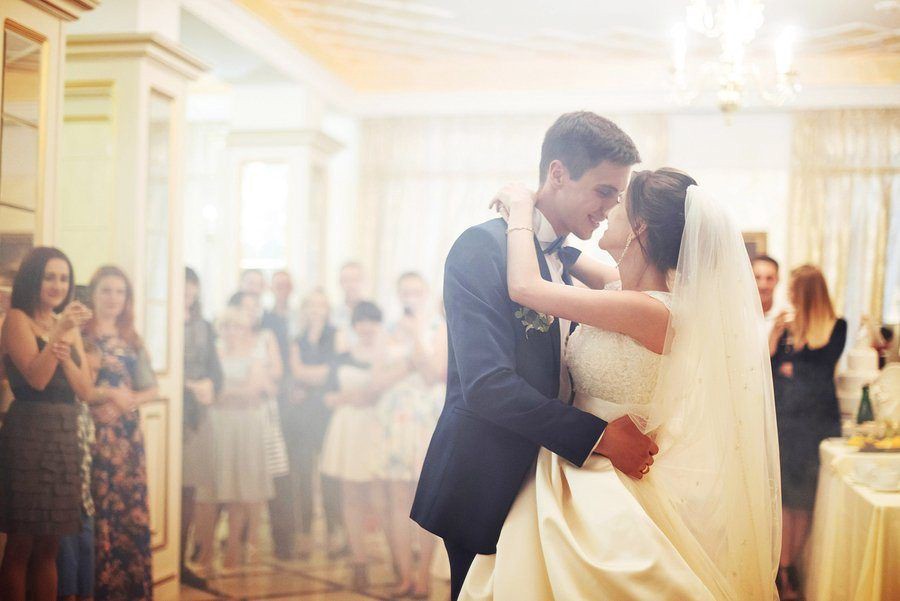
- first dances at weddings
- birthday celebration dances
- graduation party group dances
- festival opening performances
- anniversary celebration dances
These moments help structure the timeline of the celebration and create emotional highlights that guests remember.
Dance becomes part of the storytelling of the event.
Dance Encourages Confidence in Guests
When people begin dancing, something changes in their posture and attitude. Confidence increases naturally through movement.
Guests often:
- smile more
- interact more easily
- take photos together
- participate in group activities
Confidence spreads quickly once a few people begin dancing.
Soon the entire celebration feels more relaxed and welcoming.
Dance Turns Music Into Experience
Music alone sets a tone. Dance transforms that tone into action.
Movement helps guests feel the rhythm rather than simply hearing it.
This creates:
- stronger engagement with the event
- emotional connection to the moment
- greater participation among guests
- a more immersive celebration environment
Dance transforms sound into shared experience.
Dance Strengthens the Role of the Host
Hosts want their guests to feel comfortable and included. A lively dance environment signals that the event is working.
When guests dance:
- the host’s effort becomes visible
- the atmosphere feels successful
- participation increases naturally
- the celebration feels complete
Movement reflects the success of the entire gathering.
Dance Creates a Natural Celebration Flow
Events without movement sometimes feel rigid or overly structured. Dance introduces flexibility and spontaneity.
Movement allows celebrations to:
- shift naturally between activities
- maintain momentum
- create emotional peaks
- close on a memorable note
This flow keeps guests engaged from beginning to end.
Dance Brings Joy Into Shared Space
At its core, every celebration is about joy. Dance expresses that joy more clearly than any decoration or speech.
Movement encourages:
- laughter
- connection
- spontaneity
- shared excitement
When guests dance together, they create the emotional center of the celebration.
That shared joy becomes the lasting memory everyone carries home.
FAQ Section
Why do people feel happier when they dance at celebrations?
Movement combined with music naturally improves mood and encourages social interaction, which makes celebrations feel more enjoyable and engaging.
Is dancing necessary for small private gatherings?
Even simple movement in smaller groups helps create connection and energy, making the gathering feel warmer and more memorable.
Can celebrations still succeed without organized dancing?
Yes, but spontaneous or informal movement often develops naturally because guests seek ways to express shared excitement.
What role does music selection play in encouraging dance?
Familiar and rhythmic music makes guests feel comfortable participating and helps build confidence on the dance floor.
How can hosts encourage reluctant guests to dance?
Starting with group-friendly songs and having a few confident participants begin dancing usually encourages others to join naturally.
Does dance help guests interact with people they do not know?
Yes. Shared movement reduces social hesitation and creates opportunities for relaxed introductions.
Why do photos from dance moments stand out more than other event pictures?
Dance images capture emotion, motion, and group interaction, which makes them feel more lively and memorable than posed photographs.
Hope this helps you shape a celebration atmosphere that truly brings people together 🎉💃