
Creating a memorable party is not just about decorations, food, or guest lists. The real heartbeat of any successful celebration is the dance floor. When guests feel comfortable stepping onto the floor and staying there, the entire energy of the event transforms. A lively dance floor signals connection, excitement, and unforgettable moments.
Many hosts underestimate how much planning goes into building the right dance floor atmosphere. From lighting choices to music timing and layout strategy, every detail matters. Understanding these subtle yet powerful techniques can turn an average gathering into a night people talk about long after it ends.
Below are the essential dance floor secrets every party host should know to keep guests engaged and energized.
Choose the Right Dance Floor Location
Placement determines whether guests feel invited to dance or hesitant to approach.
A dance floor hidden in a corner rarely attracts attention. Instead, position it where guests naturally gather or pass through. Ideally, it should sit near the main seating area but not directly inside high-traffic walkways.
Strong placement strategies include:
- Near the DJ or music source
- Visible from the entrance area
- Close enough to refreshments for convenience
- Not blocked by furniture or décor structures
Visibility encourages participation. When guests see others dancing, they are more likely to join.
Start with the Right Floor Size
A common mistake hosts make is choosing a dance floor that is either too small or unnecessarily large.
A cramped dance floor discourages movement. An oversized one can feel empty and intimidating early in the evening.
A good rule of thumb:
- Allocate space for about 40 percent of guests to dance at once
- Keep the floor compact enough to feel energetic
- Expand outward gradually with surrounding open space if needed
A moderately sized floor naturally feels fuller and more exciting.
Lighting Sets the Mood Instantly
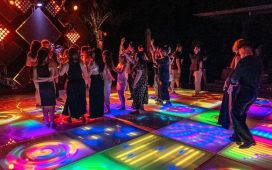
Lighting influences behavior more than most hosts realize. Guests hesitate to dance under harsh overhead lights but feel relaxed under warm or dynamic lighting.
Effective dance floor lighting ideas include:
- Soft colored LED uplighting
- Moving party lights for energy
- Warm ambient perimeter lighting
- Spotlight focus toward the center
Dimmer lighting increases confidence and lowers self-consciousness, especially for guests who do not usually dance.
Build Energy Gradually with Music Timing
One of the biggest secrets to a full dance floor is patience.
Starting the night with high-intensity music often backfires. Guests need time to settle, socialize, and relax before dancing begins.
A strong progression looks like this:
- Begin with background-friendly tracks
- Transition into familiar upbeat songs
- Introduce dance favorites after the first hour
- Save peak-energy songs for later in the evening
This natural buildup keeps guests engaged longer.
Create a Comfortable Entry Point for Guests
People rarely rush onto an empty dance floor. They wait for signals that it is socially comfortable to join.
Helpful strategies include:
- Encouraging close friends or family to start dancing first
- Hosting a short opening group activity
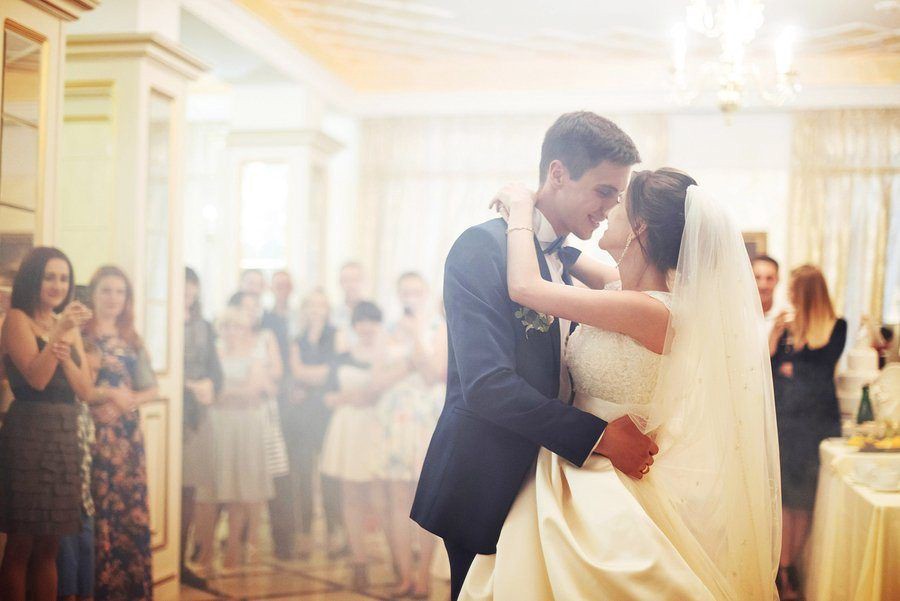
- Using a shared moment like a birthday dance or celebration cue
Once a few people begin, others follow quickly.
Keep the Music Crowd-Friendly
Music selection is the backbone of dance floor success. Even beautifully designed floors fail if guests do not recognize or enjoy the songs.
Smart playlist planning includes:
- Mixing decades and genres
- Including crowd classics
- Reading audience age ranges
- Avoiding overly niche selections early on
Popular songs create confidence. Confidence leads to participation.
Avoid Interrupting Dance Momentum
Momentum is fragile. Once guests begin dancing, interruptions can quickly empty the floor.
Common mistakes to avoid:
- Too many announcements
- Long speech breaks
- Sudden music genre shifts
- Extended silence between tracks
Keep transitions smooth and predictable.
Consistency maintains excitement.
Provide Space Around the Dance Floor
Guests need breathing room while dancing. Overcrowded surroundings discourage movement.
Plan for:
- Clear walking pathways
- Seating areas nearby but not inside the floor perimeter
- Easy access to drinks
- Open visual sightlines
When guests feel physically comfortable, they stay longer.
Use Visual Anchors to Attract Attention
A visually interesting dance floor draws people naturally.
Consider adding:
- Overhead lighting installations
- Decorative floor patterns
- Statement center lighting fixtures
- Projected effects
These details signal that the dance floor is the event’s centerpiece.
Guests gravitate toward visually engaging spaces.
Encourage Group Dancing Moments
Some guests hesitate to dance alone but happily join group activities.
Helpful group-based ideas include:
- Classic group dance songs
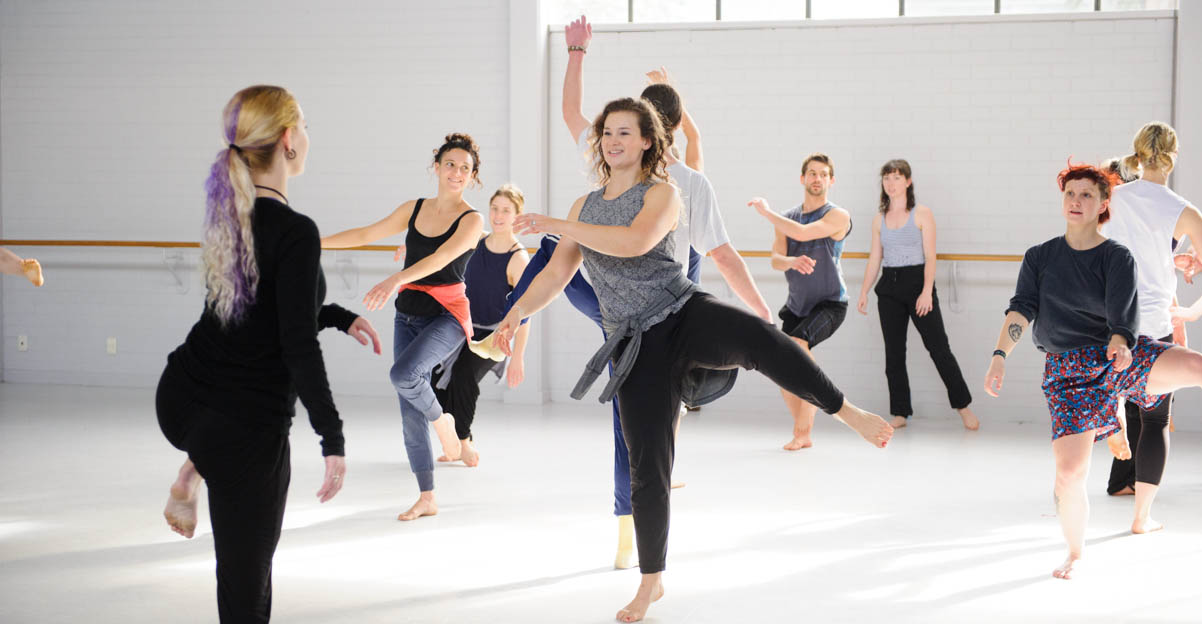
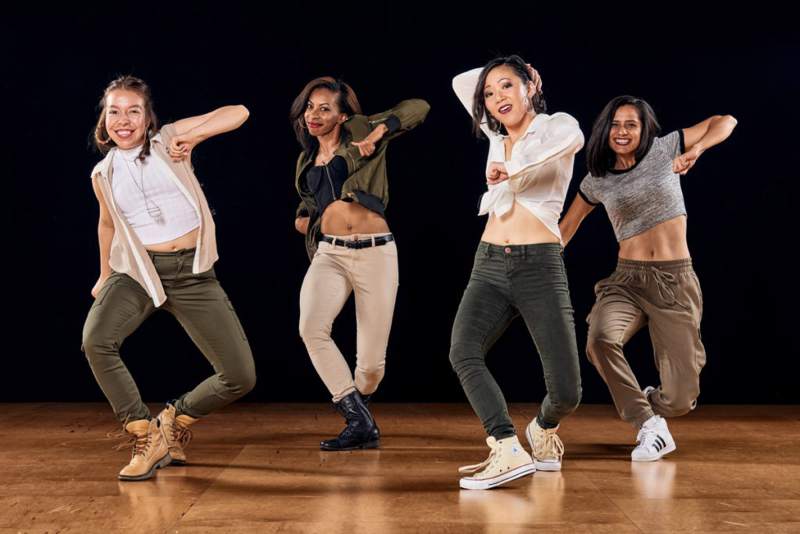
- Short coordinated routines
- Celebration countdown moments
- Guest participation challenges
Group energy reduces pressure and increases participation.
Control the Volume Carefully
Music that is too loud pushes guests away. Music that is too quiet fails to inspire movement.
Ideal sound balance:
- Loud enough to feel energetic
- Soft enough to allow conversation near the edges
- Consistent across the room without distortion
Balanced audio keeps guests comfortable and engaged.
Keep the Floor Active with Strategic Song Placement
Song order matters just as much as song selection.
Energy should move in waves rather than staying constant.
Effective pacing strategy:
- Alternate fast and mid-tempo songs
- Introduce familiar favorites regularly
- Use recognizable opening beats
- Avoid long unfamiliar sequences
This pattern keeps guests returning to the floor throughout the event.
Offer Small Comfort Enhancements Nearby
Minor comfort upgrades can significantly increase dance time.
Consider adding:
- Nearby hydration stations
- Cooling fans for indoor events
- Rest seating just outside the floor
- Easy shoe-change access areas
Comfort keeps guests dancing longer.
Use the DJ or Host as an Energy Leader
A confident music leader influences the entire crowd.
Whether using a professional DJ or managing playlists personally:
- Watch guest reactions
- Adjust songs quickly when energy drops
- Introduce participation moments naturally
- Avoid rigid scheduling
Responsive music control keeps the dance floor alive.
Pay Attention to Guest Demographics
Understanding your audience is essential.
Different groups respond to different music and energy levels.
Think about:
- Age range
- Cultural preferences
- Event type
- Time of day
- Formality level
A tailored approach always outperforms a generic playlist.
Make the Dance Floor the Emotional Center of the Party
Guests remember experiences more than decorations.
When the dance floor becomes a shared emotional space:
- Conversations feel lighter
- Connections deepen
- Photos look more lively
- The event feels complete
This is the secret difference between a quiet gathering and a memorable celebration.
Watch the Flow of the Room
Smart hosts observe guest movement patterns.
Signs your dance floor strategy is working:
- Guests return repeatedly
- Groups form naturally
- Energy spreads outward from the floor
- Conversations happen near the dance area
If guests stay nearby even while resting, the environment is working.
Prepare a Strong Closing Moment
Ending the night with intention keeps the experience memorable.
Ideas for a powerful finale:
- A final crowd favorite song
- A group thank-you moment
- A coordinated farewell dance
- A slow closing track for winding down
Guests leave with a lasting positive impression.
FAQ Section
How early should dancing start at a party?
Dancing usually works best after guests have had time to socialize, eat, and settle in. Starting about one hour into the event creates a natural transition toward higher energy.
What type of flooring works best for temporary dance setups?
Portable wooden dance floors, vinyl surfaces, or smooth event flooring panels provide the best combination of comfort, safety, and flexibility for most gatherings.
Should the dance floor be indoors or outdoors?
Both options work well depending on weather conditions and event style. Outdoor dance floors benefit from extra lighting and stable surfaces, while indoor floors offer better sound control.
How can shy guests be encouraged to participate?
Group dance songs, familiar music, and early participation from confident guests help reduce hesitation and invite broader involvement.
Is hiring a DJ better than using a playlist?
A DJ provides flexibility, reads crowd reactions in real time, and adjusts energy levels dynamically. However, a well-planned playlist can also work effectively with thoughtful timing.
What lighting color works best for dance floors?
Warm tones and soft color-changing lights create inviting environments. Avoid overly bright white lighting directly above the floor.
How long should peak dance time last during a party?
Most events experience their strongest dance energy during the middle portion of the celebration. Maintaining momentum for about one to two hours typically produces the best results.